Walworth Road removals for narrow access properties
Posted on 14/07/2026
Walworth Road removals for narrow access properties: a practical guide for tight London moves
If you are planning Walworth Road removals for narrow access properties, you already know this is not a normal "park outside and carry everything in" kind of job. Narrow stairwells, awkward front steps, basement flats, shared hallways, busy road space, and limited loading areas can turn a simple move into a stressful puzzle. The good news? With the right planning, the right vehicle, and a removal team that understands tight-access work, the whole thing can run far more smoothly than you might expect.
This guide walks you through what makes these moves different, how the process usually works, the common pitfalls, and the decisions that save time, effort, and a few headaches. If you are comparing options, you may also want to look at the full range of removal services and the practical guidance on pricing and quotes before you book.
Truth be told, narrow access removals reward good preparation. The difference between a calm move and a chaotic one is often just a few sensible choices made early.

Why Walworth Road removals for narrow access properties Matters
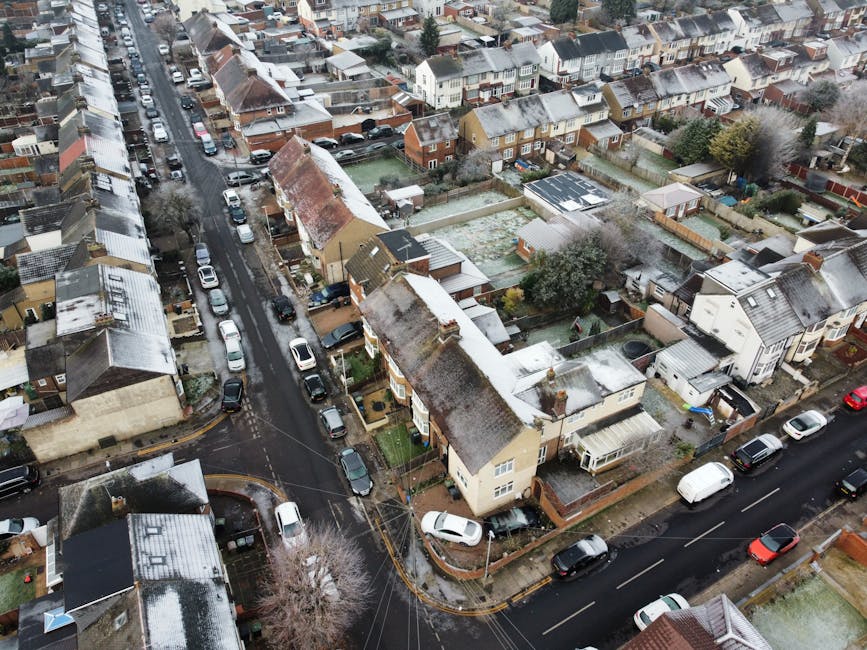
Walworth Road sits in a part of London where housing stock can be wonderfully varied and, at the same time, inconvenient for moving day. You can have period conversions, compact flats, upper-floor homes with steep stairs, and properties where access is shared or limited by railings, door widths, steps, or on-street parking pressure. A standard removal approach can work, but often it wastes time, creates strain, or raises the risk of damage.
That matters because narrow access changes almost everything: how the vehicle is chosen, where it can stop, how long unloading takes, what size items can move in one piece, and how much manual handling is needed. Even a wardrobe that looked manageable at home can become a problem at a tight landing with a low ceiling and an awkward turn. Annoying? Absolutely. Unusual? Not at all.
For that reason, narrow access removals are less about "muscle" and more about planning, sequencing, and problem-solving. A good move team will look at the route from van to front door, not just the distance on a map. They will think about stairs, lifts, door frames, kerbs, and whether the vehicle can safely get close enough without blocking traffic or putting your belongings at risk.
If your property is a flat, basement, maisonette, or converted building, the challenge can be even greater. In those cases, specialist support such as flat removals in Elephant and Castle can be a more sensible fit than a generic moving package. And for oversized or delicate items, options like furniture removals are worth considering too.
In narrow-access moves, the real cost is not just money. It is time, stress, and the risk of one badly planned lift turning into a long afternoon.
How Walworth Road removals for narrow access properties Works
Most successful tight-access removals follow a fairly simple pattern, but the detail matters. First comes an assessment. Sometimes that is a photo walkthrough, sometimes a short call, and sometimes a proper visit if the property is especially tricky. The aim is to understand what can be moved safely, what needs disassembly, and where the bottlenecks are.
Next, the right vehicle and crew are selected. A larger van is not automatically better. In many narrow-access situations, a more compact van or a man-and-van style setup is the smarter choice because it can get closer to the property and reduce carry distance. That alone can save a surprising amount of time.
Then comes the moving plan. This usually includes parking strategy, loading order, packing protection, item prioritisation, and how to handle stairwells or shared hallways. If items must be carried through a narrow entrance, the team may use blankets, straps, trolleys, or extra hands to keep the movement controlled. Slow is often faster here. That sounds backwards, but it really isn't.
On the day itself, good communication matters. Someone needs to know which items are fragile, which can be dismantled, and which should be loaded last for easy unloading. If a property has limited access at both ends, storage or split moves may be considered. For example, if you are not ready to receive everything immediately, storage solutions in Elephant and Castle can give you breathing room.
For many customers, a smaller, flexible team is the best fit. That is why services such as man with a van, man with van, or man and van are often the practical answer for access-restricted homes.
Key Benefits and Practical Advantages
Choosing a removal service that understands narrow access is not just about convenience. There are real practical advantages, and they show up quickly on moving day.
- Less walking distance for the crew means less fatigue and a lower chance of bumps and scuffs.
- Better vehicle choice reduces the risk of parking too far away or obstructing a tight road.
- More controlled handling helps protect furniture, walls, bannisters, and door frames.
- Faster problem-solving keeps the job moving when access is tighter than expected.
- Lower stress for you because the team has already thought through the awkward bits.
There is also a less obvious benefit: narrow-access specialists tend to be more realistic. They are less likely to promise the impossible. That honesty is useful, especially if you are juggling work, children, or a fixed move-out deadline.
If you need a broader overview of what the company offers, the removal services in Elephant and Castle page is a helpful place to start, and if you are moving a larger property, house removals can give you a sense of how a bigger move is planned.
Who This Is For and When It Makes Sense
This kind of move makes sense for anyone whose property or route creates a physical bottleneck. That includes top-floor flats, basement homes, small terraces with tight entrances, converted buildings, student accommodation, and shared properties with limited front access.
It also suits people moving from homes with awkward furniture layouts. If you have large wardrobes, heavy sofas, bunk beds, or a piano, access can become the main issue rather than the item itself. For especially delicate or weighted items, you may want to explore piano removals as a specialist service rather than trying to force it into a general move.
Students and renters often need this service too, especially when moving between compact flats around busy London roads. If that sounds familiar, student removals are usually designed to be quicker, lighter, and more flexible. Office moves can also face narrow access issues, especially in older buildings with lifts that are too small for standard office furniture. In that case, office removals may be the right route.
It makes less sense only when access is genuinely straightforward and everything is small enough to be moved easily with a larger vehicle. Even then, it is worth checking. A property can look easy on paper and still have a brutal stairwell. London likes to keep you honest.
Step-by-Step Guidance
Here is the simplest way to approach Walworth Road removals for narrow access properties without overcomplicating it.
- Survey the access route. Measure the front door, hallways, staircase turns, and any gates or shared entrance points. Note anything that could slow the move.
- List the difficult items. Write down bulky furniture, fragile pieces, and anything that must be dismantled.
- Share clear photos. A few good pictures of stairs, entrances, and parking space can save a lot of guesswork.
- Choose the right vehicle size. A smaller van may be the smarter choice if the street is tight or parking is awkward.
- Pack access-friendly. Keep essentials separate and label boxes clearly so the crew can prioritise loading.
- Plan parking and timing. Early starts can help avoid the worst traffic and make loading easier.
- Protect the property. Use floor runners, blankets, and corner protection where needed.
- Load in the correct order. Put the heaviest and least fragile items in first, then layer carefully.
- Do a final sweep. Check cupboards, loft spaces, and under-bed storage before the van leaves.
A small but important tip: if you know certain furniture will not fit through the access route intact, disassemble it in advance if possible. It feels like extra work at home, but it often saves time later. And yes, the Allen keys always disappear at the worst moment. That part is universal.
Expert Tips for Better Results
After enough moves, a few patterns become obvious. The best narrow-access jobs are not necessarily the ones with the strongest lifting. They are the ones with the best little details.
- Measure the tightest point, not the widest room. The narrowest stair turn or entrance usually decides what can move intact.
- Keep an item map. A quick note saying where key pieces are going helps avoid confusion when rooms are small and packed with boxes.
- Use softer packing where friction is likely. Blankets, covers, and edge protection matter more when every centimetre counts.
- Leave a clear path inside the property. Even a small hallway cluttered with shoes and bags can slow the whole job down.
- Be realistic about time. Tight access moves often take longer than expected, and that is normal.
Another useful habit is choosing one person to speak for the household. Too many voices at the door can get messy very quickly. One calm decision-maker makes life easier for everyone, including the movers.
If you are looking for a team that has a broader service base, removal companies in Elephant and Castle and general removals are worth reviewing alongside the more specialised options.

Common Mistakes to Avoid
The usual moving mistakes become more expensive when access is tight. A rushed assumption can mean extra lifting, extra time, or accidental damage. Not ideal.
- Assuming a large van is always better. If it cannot park close enough, it may slow everything down.
- Underestimating staircase turns. A sofa that looks fine in the hallway may fail at the last bend.
- Leaving packing too late. If boxes are still open or fragile items are unsecured, the crew has to work around them.
- Not mentioning access problems early. Surprises on the day are rarely good surprises.
- Forgetting about building rules or neighbours. Shared access needs a bit of courtesy and timing.
- Skipping insurance checks. You want to know what is covered before anyone lifts a thing.
One of the most common issues is hidden costs caused by unclear access. If you want to understand how pricing can change, the article on hidden removal charges to avoid is a sensible read before you commit. And for a broader sense of value, affordable house removals quotes can help frame expectations.
Tools, Resources and Recommendations
You do not need specialist equipment for every narrow-access move, but a few tools and resources make life much easier.
| Tool or resource | Why it helps | Best use case |
|---|---|---|
| Measuring tape | Checks doorway widths, stair turns, and furniture clearances | Before you book and before moving day |
| Furniture blankets | Protects surfaces and reduces scuffs | Large items and tight hallways |
| Straps and ties | Keeps awkward pieces under control | Heavy lifting and van loading |
| Labels and marker pens | Speeds up unloading and room placement | Multi-room or split moves |
| Photo checklist | Helps explain access issues clearly | Remote quotes or quick assessments |
It can also help to prepare a simple floor plan, even if it is just a rough sketch. Mark where furniture will go, which items are going first, and whether anything needs to stay outside the main load for safety. It sounds slightly old-fashioned, but it works.
If your move is time-sensitive, take a look at same-day removals as a possible backup, especially if your schedule is tight and access windows are short.
Law, Compliance, Standards, or Best Practice
For most home moves, the practical focus is safety and reasonable care rather than formal regulation. Still, there are important UK best practices that matter.
First, safe manual handling should never be treated casually. Heavy or awkward lifting needs planning, suitable team size, and sensible technique. That becomes even more important in narrow stairwells and shared entrances where one poor lift can cause injury or property damage. A careful mover will pace the job, use proper equipment, and decide when a second person is needed rather than forcing a risky lift.
Second, parking and roadside loading should be handled responsibly. On Walworth Road and surrounding streets, access is part of the job. Vehicles should not be placed in a way that creates avoidable hazard or nuisance. If a loading area is limited, the move plan should adapt to that reality instead of pretending the street is wider than it is.
Third, good providers should be clear about insurance, terms, and what happens if conditions on the day are different from the quote stage. Before booking, it is sensible to review insurance and safety information alongside the company's terms and conditions. If you want to know more about how a provider handles customer information, privacy policy and payment and security pages are also worth a quick read.
Finally, if your move involves items you no longer need, responsible disposal matters. A good move often becomes a better move when the clutter is reduced beforehand. The page on recycling and sustainability is useful here.
Options, Methods, or Comparison Table
There is more than one way to handle a narrow-access move. The right choice depends on how tight the access is, how much you are moving, and how much handling the items can take.
| Method | Best for | Pros | Watch-outs |
|---|---|---|---|
| Large van removal | Easy loading areas and bigger moves | High capacity, fewer trips | Can struggle on narrow streets or tight parking |
| Smaller man-and-van setup | Compact properties and awkward access | Flexible, easier to park, less carry distance | May need more careful load planning |
| Split move with storage | When timing or access is not straightforward | Reduces pressure on move day | Extra coordination required |
| Specialist item removal | Large or delicate single items | Tailored handling, better protection | Usually needs advance planning |
In narrow-access situations, the "best" option is usually the one that fits the property, not the one that sounds biggest or most impressive. That sounds obvious, but people still get caught out by it.
Case Study or Real-World Example
Here is a realistic example. A customer on Walworth Road is moving from a third-floor flat with a narrow staircase and a shared entrance. The flat has a sofa, a dining table, a bed frame, and several boxes. The road outside is busy, and parking near the entrance is limited to a short loading window.
Instead of sending a large vehicle and hoping for the best, the move is planned with a compact van and a two-person crew. The sofa is measured in advance, the bed is partially dismantled, and the route from the front door to the van is cleared before anything heavy is lifted. A few furniture blankets protect the banister and the sofa arms. The team loads the most awkward items first while energy levels are high, then follows with boxes and smaller pieces.
The difference is not dramatic in a flashy way. It is just smoother. Less stopping, less shuffling, fewer "hang on, let's try it this way" moments. And that is exactly what you want on a narrow-access job. A bit of calm, a bit of patience, and no drama if it can be helped.
If the property were a larger family home, the planning would look different. But for compact flats and access-restricted buildings, this kind of measured approach is usually what makes the move feel manageable rather than overwhelming.
Practical Checklist
Use this checklist before booking or on the day of your move.
- Measure the front door, stair turns, and the narrowest passage point.
- Photograph access points, steps, railings, and parking restrictions.
- List any large or fragile items that may need special handling.
- Decide whether furniture should be dismantled in advance.
- Confirm whether the van can stop close enough to the property.
- Check building rules, lift access, and neighbour considerations.
- Keep essential items separate for easy access after the move.
- Review insurance, terms, and payment details before the day.
- Prepare protective materials for floors, doors, and furniture.
- Allow a little extra time, because narrow access rarely runs to the minute.
That last point matters more than people think. A little breathing room in the schedule can turn a tense move into a perfectly ordinary one. And ordinary is lovely, frankly.
Conclusion
Walworth Road removals for narrow access properties are all about smart planning, realistic vehicle choice, and careful handling. When access is tight, the move is won or lost before the first box is lifted. That is why clear measurements, honest communication, and the right service type matter so much.
If you are moving from a compact flat, an older conversion, or any property with awkward stairs or limited parking, do not assume a standard move will do the job well enough. With the right preparation, even a difficult-looking move can feel surprisingly orderly. Not easy, necessarily. But manageable. And that is a big difference.
Get a free quote today and see how much you can save.
When the day comes, a calm plan and a steady crew can make all the difference, and that is often what turns a stressful London move into one you can actually breathe through.