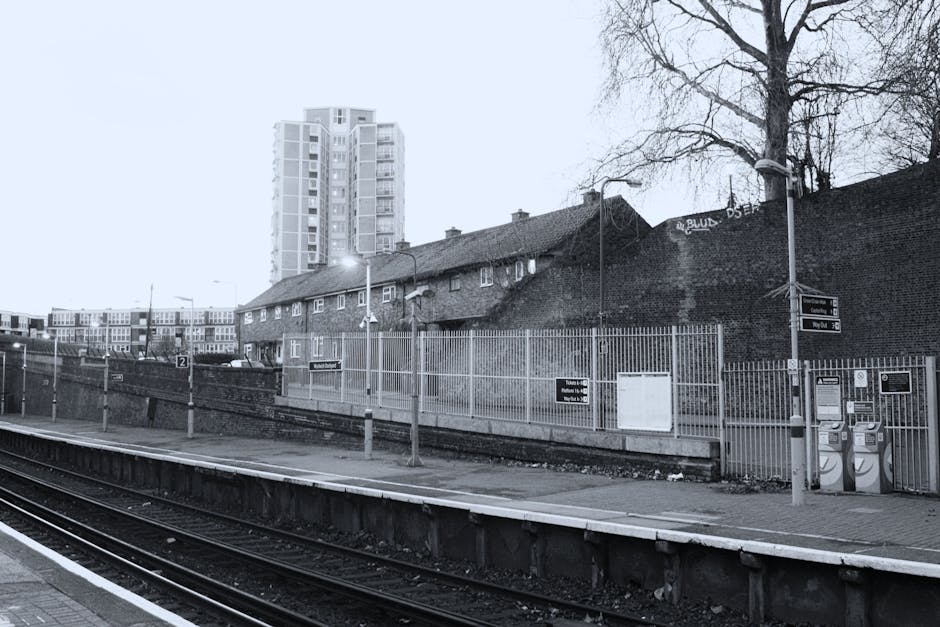
Metro Central Heights furniture removal case study
Moving furniture out of a tall residential building is never just about lifting and loading. With a Metro Central Heights furniture removal case study, the real story is usually about access, timing, protecting communal areas, and keeping the whole move calm when the building itself adds a few complications. If you live in a managed block, you will know the feeling: one wrong turn with a sofa and suddenly the lift, the hallway, and your afternoon all need rescuing.
This article breaks the job down in plain English. You will see what a furniture removal case study like this is meant to show, how the process works in practice, where people commonly get tripped up, and how to plan a smoother move. We'll also cover useful best practice, a simple comparison of removal methods, and a practical checklist you can actually use. No fluff. Just the stuff that helps.
Why Metro Central Heights furniture removal case study Matters
A case study is useful because it turns a vague moving job into something you can learn from. In a building like Metro Central Heights, furniture removal is rarely a simple "turn up and take it away" task. There may be shared entrances, lift bookings, loading restrictions, concierge rules, and neighbours who would rather not hear a wardrobe wobbling down the corridor at 7am. Fair enough, really.
For residents, landlords, letting agents, and office managers, the value of a case study is that it shows what good planning looks like in a real setting. It helps answer the questions people ask before booking a move: How many movers are needed? Will bulky items fit? Do I need packing help? What if the lift is too small? What about disposal of unwanted pieces? Those are the questions that decide whether the day feels controlled or chaotic.
It also matters commercially. A well-handled furniture removal can protect walls, floors, and communal spaces, which reduces the chance of damage claims and awkward conversations later. That's not just good manners; it's good operating practice. If you're looking for broader support around domestic moves, the team's home moves and house removals pages are worth a look for context on full-property moving support.
Expert summary: The success of furniture removal in a managed London building usually depends more on preparation, access planning, and protection than on brute strength.
How Metro Central Heights furniture removal case study Works
At a practical level, a furniture removal case study usually follows a simple pattern: assess the items, plan the route, protect the property, move the furniture safely, and confirm the handover. Simple on paper. Less simple when a king-size bed frame and a narrow lift disagree with each other.
In a block setting, the process starts before the van arrives. A good mover will want to know what is being removed, from which floor, whether there is lift access, whether parking is available close enough to make loading realistic, and whether any pieces need dismantling first. That early information shapes the crew size, vehicle type, and time required.
From there, the move normally works like this:
- Initial survey or booking call to identify item sizes, access issues, and any fragile furniture.
- Planning of arrival time, parking position, and the safest route through the building.
- Protection of items and surfaces using blankets, straps, wraps, or floor coverings where needed.
- Careful removal of furniture, often with dismantling for large pieces.
- Loading the vehicle so the heaviest items sit securely and the load does not shift in transit.
- Delivery to the next address, storage, or disposal point, depending on the job.
For some residents, the job is simply about getting one or two bulky items out without injury or damage. Others want a fuller removal service that includes packing support, lifting help, and transport. If that sounds familiar, the man and van and man and van removals pages explain the kind of flexible support that often suits apartment moves and one-off furniture jobs.
One important detail: access can change the whole plan. A sofa may be light enough in theory, but if it has to be carried around a tight bend or down a stairwell with a low ceiling, the removal suddenly becomes a two-person or three-person task. That is where experience really shows.
Key Benefits and Practical Advantages
There are clear advantages to using a structured furniture removal approach rather than improvising on the day. The first is safety. Furniture is awkward, and awkward is where backs get hurt and corners get chipped. A planned move reduces that risk considerably.
The second is speed. When movers know the access route, the item dimensions, and the parking setup, the job tends to run with far less fuss. There is less standing around in the lobby scratching heads. Less "will it fit if we tilt it?" usually means less stress for everyone.
The third is property protection. Building managers and residents alike appreciate a crew that takes floors, door frames, and lift interiors seriously. A tidy, controlled move is often the difference between a routine job and an insurance headache nobody wants.
There are also environmental and practical benefits when unwanted furniture is handled properly. Items that can be reused should be separated from items that are only fit for disposal. That reduces waste and supports more responsible moving decisions. If sustainability is important to you, the company's recycling and sustainability page is a sensible place to understand how that approach is treated more broadly.
- Reduced damage risk: better protection for walls, doors, lifts, and furniture.
- Lower physical strain: fewer injuries and less heavy lifting for residents.
- Cleaner time management: the job is easier to schedule around building rules.
- Better outcome for bulky items: dismantling and reassembly can be handled properly.
- More responsible disposal: usable furniture can be moved on, not simply dumped.
Who This Is For and When It Makes Sense
This kind of furniture removal is especially useful for people living in apartment blocks, managed estates, converted buildings, and properties with awkward access. Metro Central Heights is a good example of the kind of setting where planning matters more than usual. If you have a lift booking, concierge requirements, or a limited loading window, you are already in the territory where professional help starts to make a lot of sense.
It also suits:
- Tenants moving out of a flat with only a few items to remove.
- Landlords preparing a property between occupiers.
- Homeowners replacing old furniture before a renovation.
- Letting agents arranging a fast clearance after a tenancy ends.
- Office managers moving surplus furniture out of a mixed-use building.
The job is often most worthwhile when the furniture is large, heavy, or awkwardly shaped. Wardrobes, sofas, beds, dining tables, filing cabinets, and office desks all tend to be the pieces that turn a simple plan into a small logistical puzzle. Truth be told, the smaller the access, the more useful professional removal becomes.
If the move is tied to a larger relocation, you might also want to compare it with removal services, removal company support, or even house movers if the furniture job is part of a full household transition.
Step-by-Step Guidance
Here is the practical version. Not theory. The version that helps on moving day.
1. Identify every item that needs moving
Walk room by room and make a list. Be specific. "Sofa" is useful, but "three-seater corner sofa with detachable chaise" is better. That kind of detail affects vehicle space and lifting. If there are items that may be left behind, separate them clearly.
2. Measure the awkward pieces
Measure height, width, and depth, especially for beds, wardrobes, drawers, and tables. You do not need architectural precision here, but you do need enough accuracy to spot obvious access problems. A surprising number of moving delays come from a simple mismatch between furniture dimensions and lift size.
3. Check the building rules early
Managed blocks often have rules about lift booking, padding, arrival times, and parking. Find these out before the day. If you're booking in a shared building, ask whether the service lift can be reserved and whether there are restrictions on trolleys or large loads. It's the kind of admin everyone wants to skip, then regrets skipping.
4. Decide whether items need dismantling
If a wardrobe, bed frame, or modular desk is too bulky to move safely in one piece, dismantling can be the better option. Keep screws, fittings, and labels together. Small bag, clear label. Boring but brilliant.
5. Prepare the route
Remove loose rugs, clear corridors, and unlock doors in advance. If the route involves lifts or corners, make that path as open as possible. A clear route saves time and reduces the chance of damage. You will notice the difference immediately when the first item moves out smoothly instead of snagging on a shoe rack.
6. Confirm the vehicle plan
Furniture removal does not always need a huge truck. In many London jobs, a well-managed moving van or removal van is a better fit than a larger vehicle, especially where parking is tight. The right vehicle is the one that fits the access and the load. Not the biggest one available.
7. Load safely and check stability
Heavy items should be positioned securely, with lighter or fragile items protected around them. A proper load should not rattle or tip. That sounds obvious, but rattling loads are more common than people think.
Expert Tips for Better Results
Experience shows that the smoothest moves usually come down to a few habits. Nothing fancy. Just disciplined basics.
Book with a realistic time window. If your building has restricted access or shared lifts, do not assume everything will happen in ten minutes. Add breathing room. London traffic alone can eat that up before you've even reached the building.
Keep a "do not move" pile separate. This avoids last-minute confusion. One pile for moving, one pile for recycling, one pile for staying put. Simple works.
Label dismantled parts immediately. Nobody enjoys rebuilding a bed frame while guessing which bolt belongs where. Nobody.
Use protection on both sides of the move. Protect the furniture, and protect the property. A good mover thinks about the route, not just the item.
Ask about disposal before collection day. If you have unwanted furniture, check whether it can be collected as part of the same job. That saves a second arrangement later and keeps the flat clear faster.
Don't underestimate stairwells. Even when a lift exists, a single awkward turn can change the whole plan. A quick visual check of corners and head height makes a real difference.
For some jobs, adding packing and unpacking services can make the whole process calmer, especially if the furniture move is linked to a bigger household change. And if you are comparing providers, look at how well they explain their process rather than only the headline promise.
Common Mistakes to Avoid
The same mistakes keep cropping up. The good news is that they are easy to avoid once you know what to look for.
- Leaving measurements until the moving day. That is how you discover a wardrobe is a problem after the van has arrived.
- Assuming the lift will handle everything. Many lifts can't comfortably take oversized pieces, especially with padding or trolleys.
- Forgetting to reserve parking or loading space. This can turn a short job into a long, frustrating one.
- Not separating rubbish from reusable furniture. It creates confusion and can slow the removal process.
- Trying to move oversized items without enough help. It saves nothing if someone gets hurt or the wall gets damaged.
- Skipping insurance questions. You want to know how the mover handles damage risk before the first item leaves the room.
A smaller but common issue is emotional overpacking. People keep adding "one more chair" or "one extra shelf" until the job becomes fuller than planned. To be fair, that happens all the time. A tidy list on paper avoids the slow creep.
Tools, Resources and Recommendations
You do not need specialist kit for every furniture removal, but a few basics make life easier. A tape measure, screwdriver set, zip bags for screws, labels, gloves, and protective wrap all help. For moving crews, straps, blankets, dollies, and floor protection are the practical workhorses.
From a planning point of view, the most useful resources are often the boring ones: your building rules, your lift booking information, your parking details, and a clear inventory of items. It sounds unglamorous. It is unglamorous. But it is exactly what stops chaos.
When you are weighing up service options, these pages can help frame the decision:
- man with van for smaller, flexible jobs.
- man with a van for local transport and lifting support.
- removals if you need a broader moving solution.
- furniture pick up if the job is focused on a single collection or a few items.
If your move is part of a business transition, the pages for commercial moves and office removals are relevant too, especially where desks, chairs, and storage units need careful handling.
Law, Compliance, Standards, or Best Practice
Furniture removal in London usually sits within a mix of practical safety expectations rather than one dramatic single rule. The key concerns are lifting safety, property protection, vehicle access, and responsible waste handling. If you are disposing of furniture rather than relocating it, it is sensible to use a provider who can explain how items are separated for reuse, recycling, or disposal.
Good providers should also be able to speak plainly about insurance, staff safety, and the steps taken to reduce damage. That may include careful handling procedures, appropriate equipment, and clear terms and conditions. If anything feels vague, ask questions. A reputable team should not mind at all.
There are a few wider expectations worth keeping in mind:
- Items should be handled with reasonable care to protect the property and the people in it.
- Parking and access should be planned in line with the building's rules.
- Waste or unwanted furniture should be managed responsibly rather than dumped.
- Payments, booking terms, and cancellation details should be clear before the job begins.
For extra reassurance, you may want to read the site's insurance and safety, health and safety policy, and terms and conditions pages. Those pages help explain how a professional service frames risk, responsibility, and expectations in a straightforward way.
Options, Methods, or Comparison Table
Not every furniture removal needs the same setup. Here is a simple comparison to help you decide what fits best.
| Method | Best for | Pros | Watch-outs |
|---|---|---|---|
| Self-move | Very small, light items and simple access | Low direct cost, complete control | Higher physical strain, more risk of damage, slower if access is awkward |
| Man and van | Single items, medium loads, local removals | Flexible, efficient, usually easier in tight London access | May need dismantling or extra help for bulky furniture |
| Full removal service | Larger furniture sets or mixed household moves | Broader support, better for complex access, less stress | Usually more involved than a simple collection |
| Furniture pick-up only | One-off collection or disposal-focused jobs | Good for unwanted items, tidy and focused | Less suitable if you also need packing or multi-room removal |
In many Metro Central Heights-type situations, the second option is often the sweet spot. Not always, but often. A removal company with flexible vehicle choice and practical access knowledge can keep the process efficient without overcomplicating it.
Case Study or Real-World Example
Here's a realistic example based on the kind of work that comes up in managed apartment buildings. A resident needed to remove several bulky items from a mid-floor flat: a sofa, a bed frame, two chest-of-drawers units, and a dining table. The building had lift access, but the lift was not generous, and the route from flat to loading bay required careful timing because of shared access.
The first step was a basic inventory. The sofa was the main question mark. It was too long to move comfortably in one piece, so it was dismantled where possible. The bed frame followed the same logic. That changed the whole job from a clumsy carry to a controlled sequence.
Next came access planning. The moving window was aligned with the building's quieter period, and the route from the flat to the van was cleared in advance. Door frames were checked, and the team used protection on the furniture where needed. Nothing dramatic. Just good habits.
The biggest lesson from the job was this: the furniture itself was not the hardest part. The building was. Once the route, lift, and loading point were understood, the rest of the move became straightforward. The day felt organised rather than frantic, which is honestly what most people want and rarely say out loud until after the move is finished.
For anyone in a similar position, the useful takeaway is to plan the removal around the building, not against it. That small shift in mindset saves time, stress, and probably a headache or two.
Practical Checklist
Use this before the removal date. It keeps things manageable.
- Make a full list of all furniture to be removed.
- Measure any large or awkward pieces.
- Check lift access, stair routes, and loading restrictions.
- Confirm parking or stopping arrangements.
- Decide what will be moved, donated, reused, or disposed of.
- Separate screws, fittings, and small parts into labelled bags.
- Clear hallways, entrances, and the route to the door.
- Tell neighbours or building management if required.
- Confirm whether dismantling is needed.
- Ask about insurance, timing, and any building-specific requirements.
- Prepare payment details and booking confirmation in advance.
- Keep fragile items and personal belongings separate.
If you want a broader service benchmark while planning, it can also help to compare removal companies and removals near me options carefully, especially where access or timing is tight.
Conclusion
A Metro Central Heights furniture removal case study is really a lesson in smart planning. The safest, smoothest results come from measuring first, checking access early, choosing the right vehicle, and treating the building with care. Once those basics are in place, the move feels a lot less like a scramble and a lot more like a job with a clear start and finish.
Whether you are removing one awkward sofa or several rooms' worth of furniture, the same principles apply: plan the route, protect the property, keep the load manageable, and do not let the day outrun the preparation. That is the difference between a stressful afternoon and one that simply gets done.
Get a free quote today and see how much you can save.
And if you are at the point where the flat is half packed, the kettle is still out, and the big wardrobe is staring back at you like it has opinions, take a breath. The job is manageable. One steady step at a time.
Frequently Asked Questions
What does a Metro Central Heights furniture removal case study usually cover?
It usually covers access planning, item sizes, safe lifting, protection for communal areas, vehicle choice, and the final outcome of the job. The point is to show how a real furniture removal is handled in a building with shared access.
Is furniture removal from a flat building harder than a house move?
Often, yes. Flats and managed blocks usually involve lifts, corridors, parking restrictions, and building rules. A house move may be bigger in volume, but a flat move can be more awkward because of access.
Do I need to dismantle furniture before removal?
Not always, but large pieces often move more safely if they are partially dismantled. Wardrobes, bed frames, and some tables are common examples. Dismantling usually makes the move faster and reduces the risk of damage.
What kind of van is best for furniture removal?
That depends on the load and the access. For many London apartment jobs, a removal van or moving van is enough. Bigger is not always better if parking is limited.
Can unwanted furniture be collected and removed at the same time?
Yes, in many cases it can. It is best to confirm this during booking so the team can plan for recycling, reuse, or disposal as appropriate.
How do I avoid damaging walls or lifts during furniture removal?
Use protection, keep the route clear, measure items properly, and make sure enough people are available to carry the load safely. Good planning matters more than rushing.
What should I ask before booking a furniture removal service?
Ask about vehicle size, insurance, access requirements, loading help, dismantling, and whether unwanted items can be taken away. It is also sensible to ask about timing and building restrictions.
Is a man and van service suitable for this kind of job?
Yes, often it is. A man with a van or man and van setup is usually a strong fit for smaller furniture removals or flexible city access.
How far in advance should I arrange the removal?
The sooner the better, especially if your building needs lift booking or the move must happen within a narrow time window. In busy periods, early booking gives you more control and less stress.
What happens if the furniture does not fit through the lift?
If that happens, the team may need to use the stairs, dismantle the item, or rework the route. This is why measurements matter. A quick check beforehand can save a lot of trouble.
Are there any safety standards I should look for?
Yes. Look for clear handling procedures, insurance information, sensible risk management, and a willingness to explain how the move will be done safely. You do not need jargon; you need clarity.
How do I know whether I need a full removal service or just furniture pick-up?
If you are moving one or two items, a furniture collection may be enough. If you have multiple rooms, awkward access, or need packing and loading help, a broader removal service is usually the better choice.